Lecture 1
Hi everyone !
After creating my blog, it is time to write my first Human Computer Interaction’s assignment.
Affordances
As I saw in class, an affordance is a property of an artefact which indicates its usage.
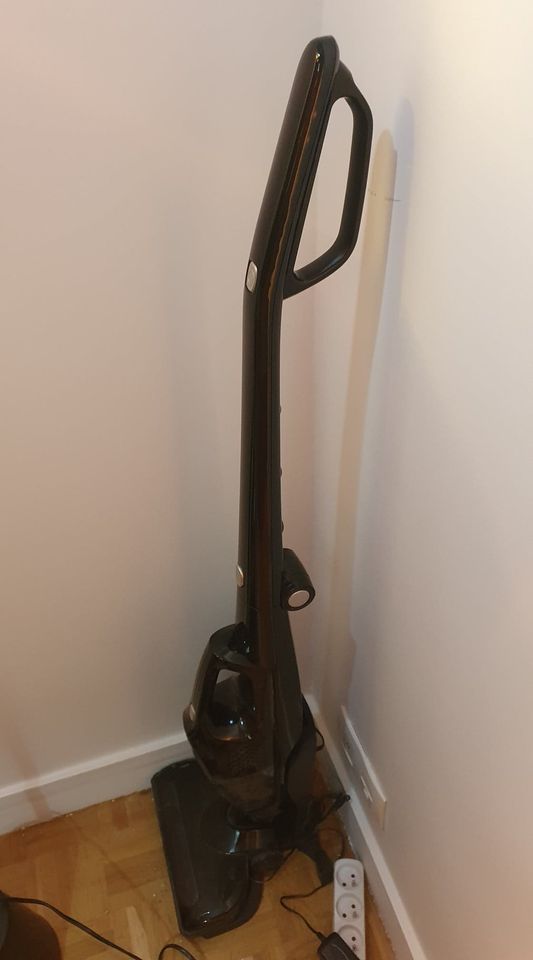
To illustrate this concept, I chose to talk about my vacuum cleaner. Its handle is well done. Automatically through its form, we know how to use the vacuum.
On the contrary, a bad affordance leads us to an incorrect usage of an object.
For example, the hotplate of my apartment becomes red when its temperature is increasing, and not just because it is on. As a result, when I start cooking it becomes red, but during the cooking it is black again. Therefore, the first few times I forgot to turn it off, because instinctively if I did not see red I thought it was not hot, and thus turned off.
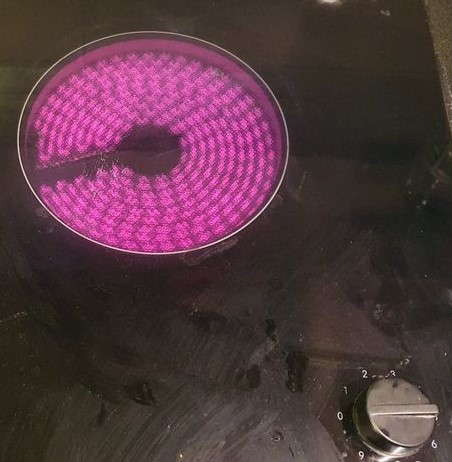 When I activate the hotplate
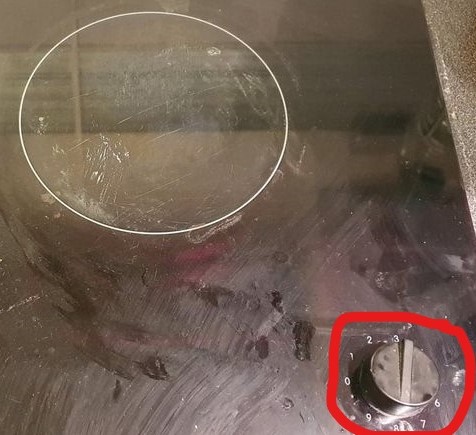 When the temperature does not increase but the hotplate is still on
To correct this design, the hotplate should be red while it is on, and to show that the temperature is increasing the red should be more intense.
Gestalt Laws
Gestalt Laws are principles of perception describing how humans recognize patterns or interpret an association of objects around them.
One of the principles is the law of Similarity. The human brain tends to group elements with the same characteristics, and think they have the same functionality.
For example, in this picture the ground has the same black strip than the stairs. Therefore, on a first glance we group this part of the ground as the last step of the stairs.
 From Landash’s post on Reddit
I suppose that the purpose was to warn the user of the presence of stairs. If we wanted to correct this design, we should get rid off the last black strip, and put a red one for example. We could also use a different type of signal, such as the bumpy slabs of the subway.
Another of Gestalt principle is the law of continuity : elements aligned on a line or a curve tend to be perceived as related.
In this ad, the last left line was supposed to say that the masks were protective. However, since this adjective is aligned with the pejorative ones on top, we reed it as : “not protective”. Furthermore, the principle of proximity can also be identified here.
 From CrappyDesign’s post on Reddit
To correct the ad, the last adjective could be put on top or on the right down corner of the box. The presentation of the adjective should also be different than the others, for example the cross could be removed.
Dark Design Pattens
Dark designs aim to advantage a business by using humans' cognition to trick the user.
For example, Instagram uses the principle of “Obstruction” and “Interference” to discourage a user to delete his account. Indeed, we would think that we only need to go to our account parameters to delete it, but instead we only have the possibility to “Deactivate it temporarily”. This functionality is an Interference to prevent us from deleting our account. To delete our account, we have to go to the Instagram website (not on the application) and go to the support page. This is Obstruction because this process is more difficult than it had to be.
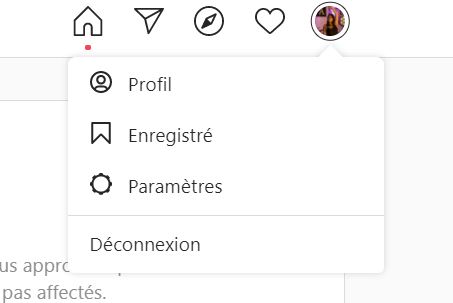 Instagram Profile
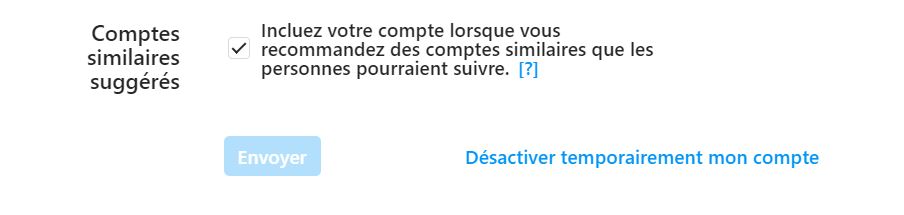 Deactivate temporarily
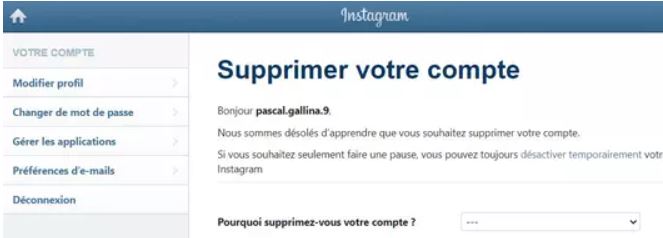 Support Page
To achieve the opposite, we could add a “Delete your account” button, in the parameters of an account, and make sure to enable the functionality on the web browser and the application.
Amazon Prime Video
Amazon Prime Video uses the Sneaking technique, to make us buy a movie or episodes of a tv-show. For example, the site presents us the TV Show “Watchmen” as one of the programs available on the site. When we click on it, we even have the same presentation as an available show. However, when we click on the “More options” which really looks like “Add to favourites”, we finally see that we must pay to watch it.
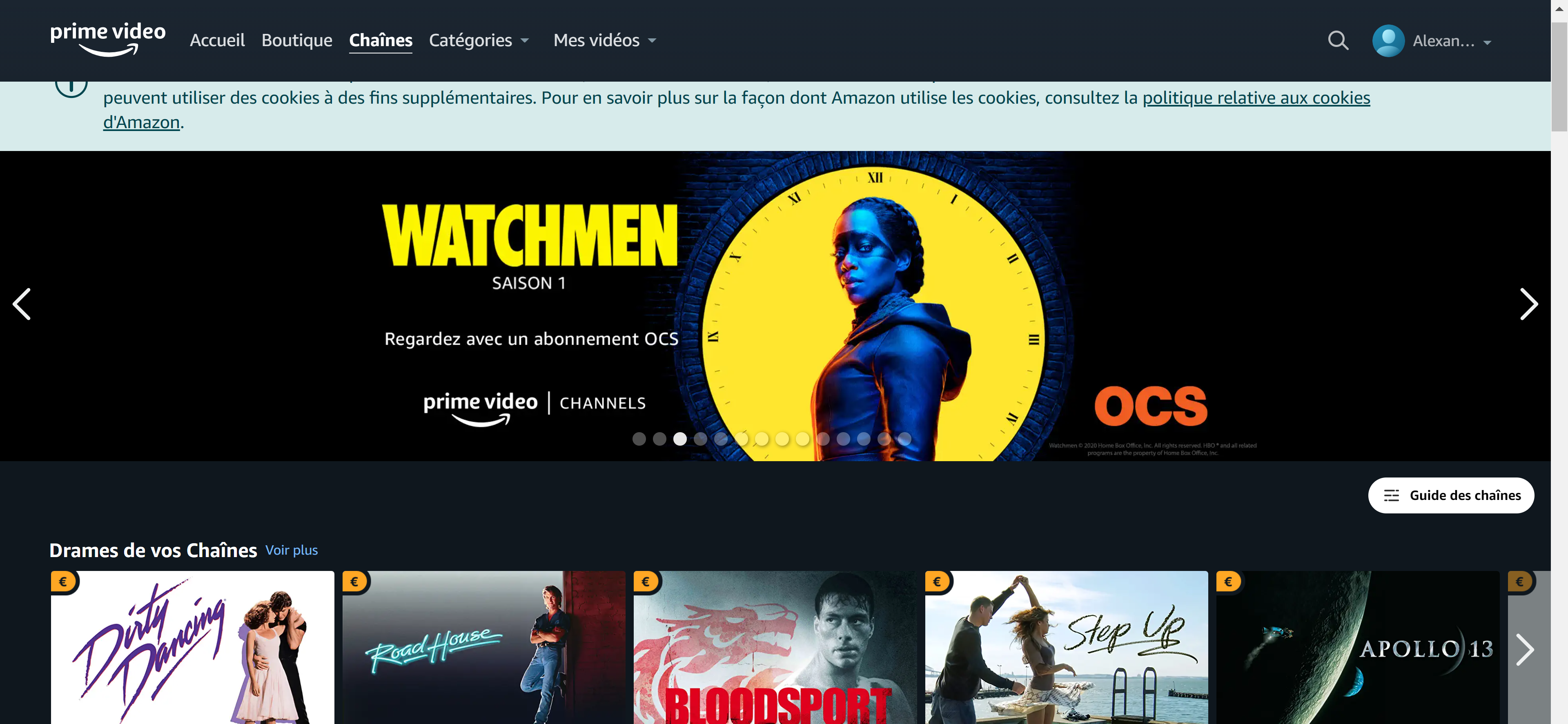 Sneaky proposition
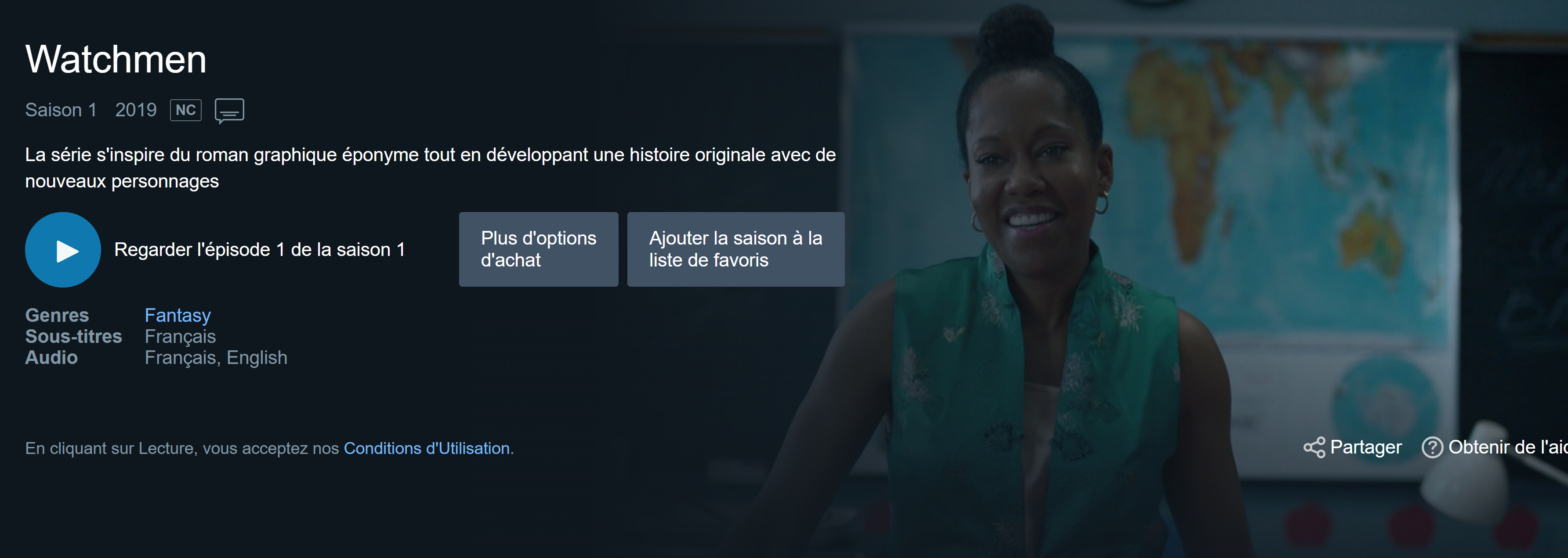 Charged show
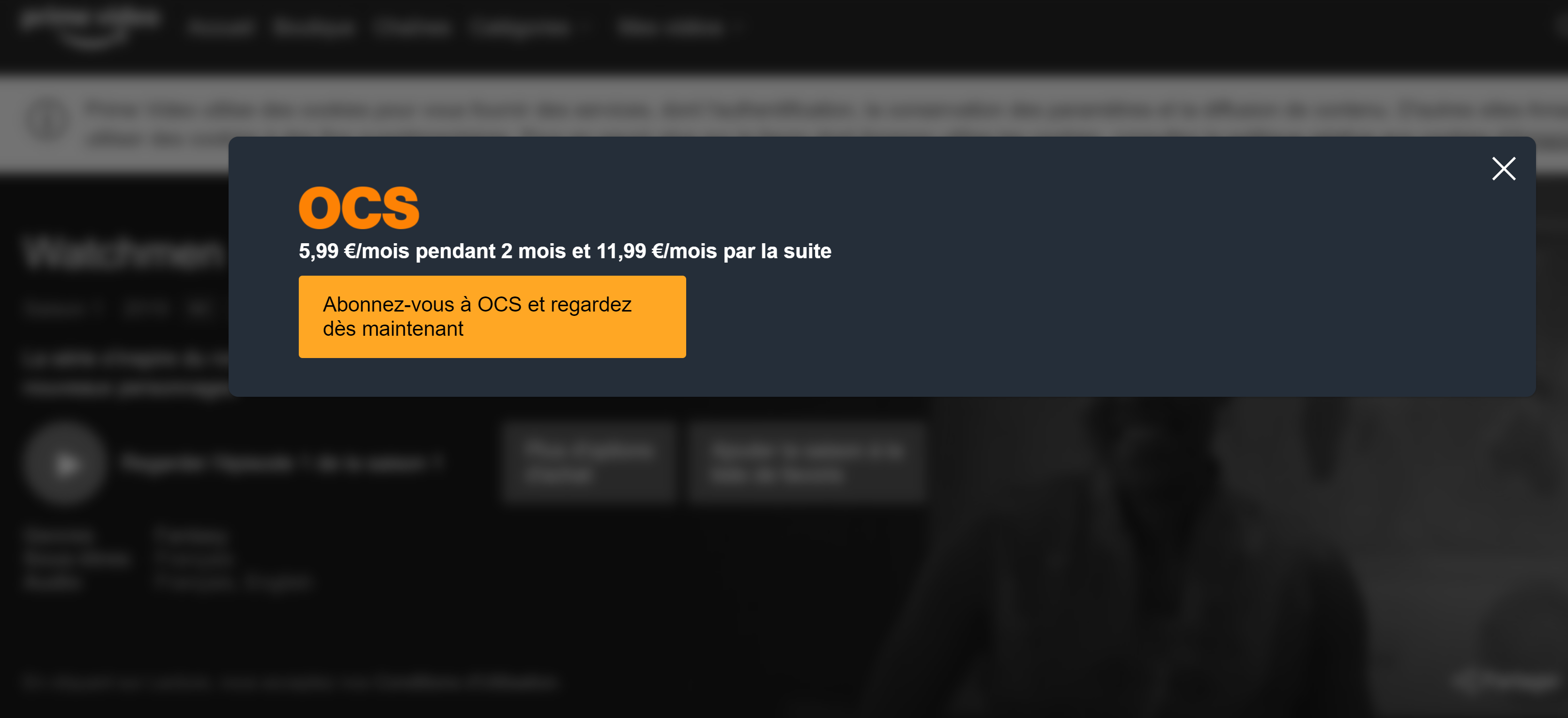 Payment
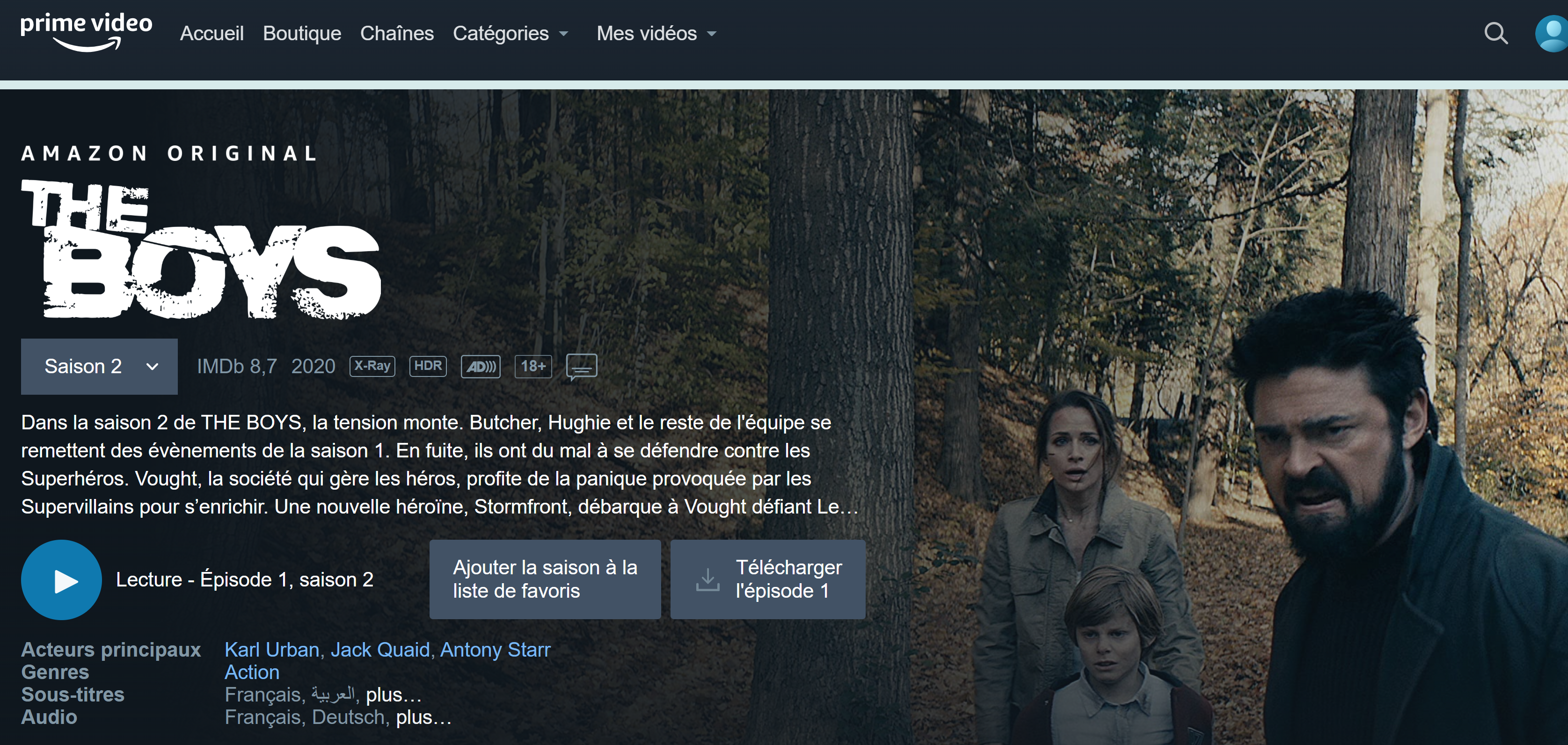 Free show
To stop tricking the user, a huge red icon could be put on top of the charged shows' images, or these shows could be in a specific menu named “Our partners' shows”.